


‘I am a doctor’ – TO BE in the present
- Kamila Górniak

- Apr 8, 2015
- 2 min read
It’s time to start a grammatical adventure on this blog. Let me start with the basic verb ‘to be’ which should be known by absolutely everyone who’s learning English. Although ‘to be’ is basic, I know it may cause some problems.
Today, I present you the verb ‘to be’ in the present – positive sentences and exercices.
Polish: Jest to lekcja poswięcona odmianie czasownika ‘być’ w czasie terazniejszym – zdania
twierdzące.
TO BE
full forms
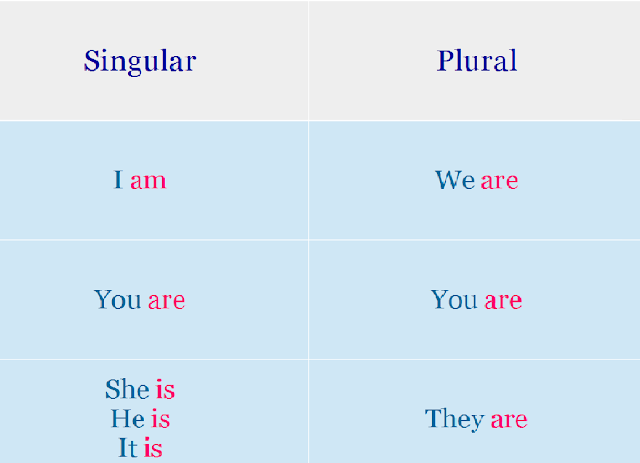
I am a journalist.
You are a very good teacher.
She is from Iceland.
He is 30 (thirty) years old.
It is a nice view.
We are neighbours.
You are fantastic parents.
They are interested in foreign languages.
In English informal language we can use short forms of verb ‘to be’. We put an apostrophe instead of a letter we omit.
W języku nieformalnym możemy używac skróconych form czasownika ‘być’ także w przeczeniach. W miejsce pominiętej litery wstawia sie apostrof.
short forms
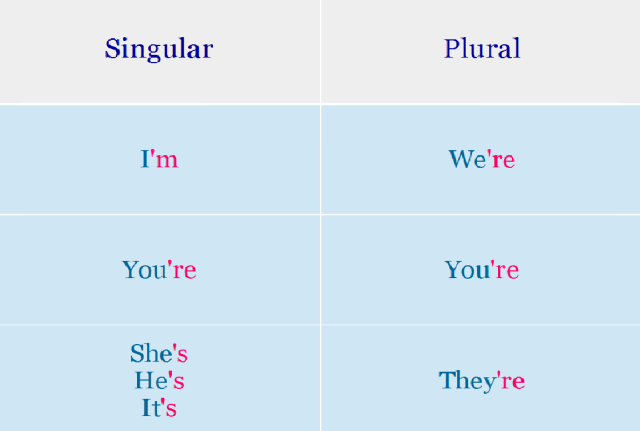
I’m a journalist.
You’re a very good teacher.
She’s from Iceland. Mary’s form Norway. (Mary = she) He’s 30 years old.
Tom’s 30. (Tom = he)
It’s a nice view.
Your new house is huge. (your new house = it)
In plural it is not possible to use short forms when using names.
W liczbie mnogiej nie można skrócić czasownika gdy używamy imion lub nazw zamiast zaimków osobowych.
We’re neighbours.
BUT
Stewart and I are good friends.
Me and Rob are still young.
You’re fantastic parents.
BUT
You and Roger are fantastic children.
They’re interested in foreign languages.
BUT
Nicki and Peter are fond of swimming.
For exercises click: exercises
Kliknij w różowy link, aby przejść do ćwiczen.
And remember: practice makes perfect 😉
Ta–ra!

Comments